
Know what things actually cost, what actually matters, and who actually delivers—before you hire anyone.

Need help with HVAC in Miami?
Get matched with a trusted local contractor and avoid costly guesswork.

What We Do Different
We don’t just list contractors.
We break down what things actually cost, what matters in the job, and which contractors are worth your time—so you can make the right decision the first time.
How It Works
Tell us about your project

We guide you and match you

You move forward with clarity
Ready To Get Started?

5k+Happy Clients

20k+Bookings

500+Experts
We Are Here To Help
Count on clear, practical guidance and fast resolution from experienced professionals—no jargon, no delays. Reach out and we’ll provide the straightforward support and next steps you need to move forward.
Roofing

Impact Windows & Doors
HVAC - Air Conditioning
Plumbing & Electrical
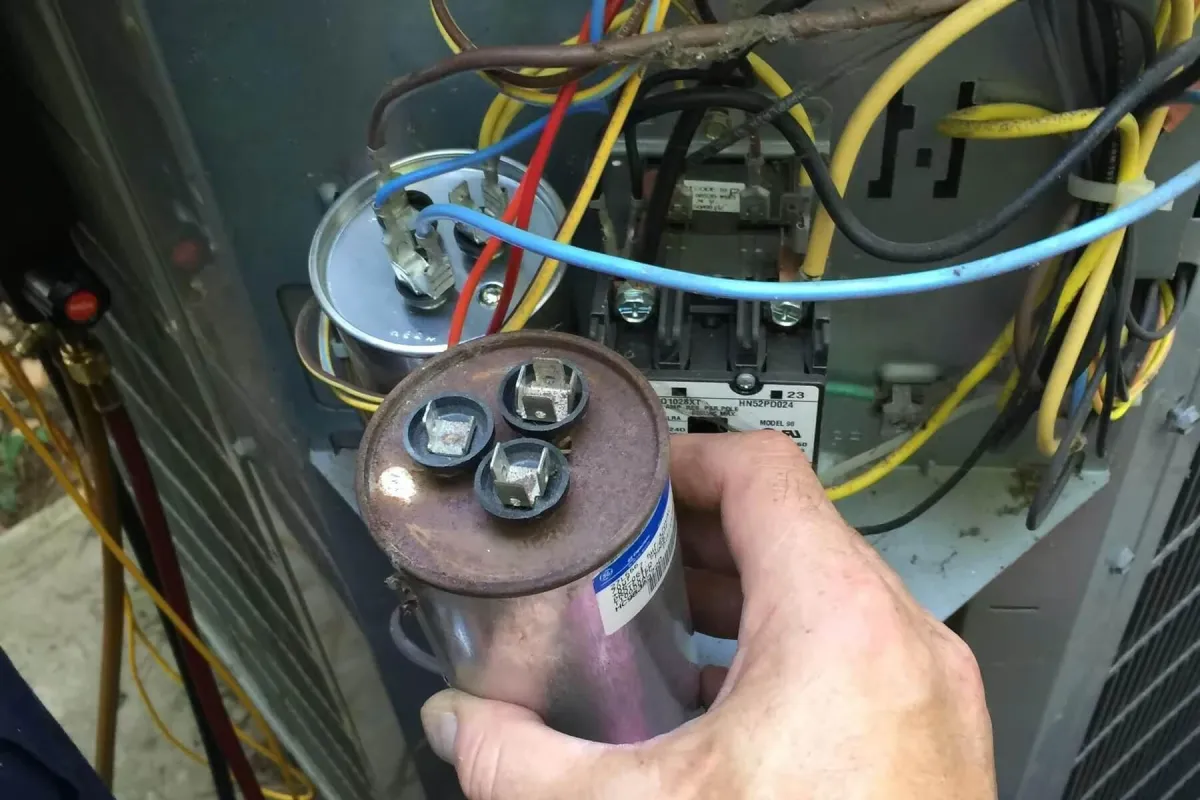
Signs Your AC Capacitor Is Failing (Before It Dies in 100° Heat)
In Miami, your AC doesn’t get a break—and neither do the small components inside it. One of the most common failure points I see in the field is the capacitor. It’s cheap, it’s small, and when it goes, your entire system can shut down instantly.
The frustrating part? It almost always gives warning signs first. Most homeowners just don’t know how to read them.
This guide is how you stay ahead of that failure—and avoid the worst-case scenario: your AC dying on the hottest day of the year.
What the Capacitor Actually Does (In Plain Terms)


Inside your outdoor unit, the capacitor acts like a jump starter for your AC system.
It:
Kicks on the compressor (the heart of cooling)
Powers the fan motor (keeps heat moving out)
Stabilizes voltage so components don’t struggle
When it weakens, everything downstream suffers.
Why Capacitors Fail Faster in Miami
Let’s be realistic—your system runs harder than most of the country.
Key stress factors:
Constant high heat (outdoor units baking in sun)
Long run cycles (your AC rarely shuts off fully)
Power fluctuations (storms, grid load)
Humidity accelerating component wear
Typical lifespan comparison:
EnvironmentExpected Capacitor LifeMild climate5–7 yearsHot climate3–5 yearsMiami conditions2–4 years (common)
If your capacitor is older than that, you’re already in the danger zone.
The 7 Warning Signs Most Homeowners Miss
This is where you either act early—or pay later.
1. AC Hesitates Before Turning On
You set the thermostat… and nothing happens for a few seconds.
That delay = weak startup power.
This is your earliest and cleanest warning sign.
2. Clicking or Humming From the Outdoor Unit
Your unit tries to start but struggles:
Clicking = relay engaging
Humming = motor not getting enough power
That’s the capacitor failing to deliver the initial push.
3. Warm Air Even Though the System Is Running


This one fools people.
The fan may run, but the compressor isn’t kicking in properly.
No compressor = no cooling.
4. AC Randomly Shuts Off (Short Cycling)
Your system:
Turns on
Runs briefly
Shuts off
Then repeats.
This isn’t just annoying—it’s damaging your system and driving up your bill.
5. Energy Bills Start Creeping Up
A weak capacitor makes your system inefficient.
Real-world impact:
Longer cycles
Harder starts
More energy consumption
If your usage hasn’t changed but your bill has, something’s off.
6. Outdoor Fan Stops Spinning


This is where things get serious.
If the fan isn’t spinning:
Heat isn’t being removed
Pressure builds inside the system
You risk compressor damage (expensive)
Yes, sometimes people push the fan blade to “kickstart” it.
That’s not a fix—that’s a countdown to failure.
7. AC Won’t Turn On At All
At this point, the capacitor is likely dead.
Now you’re:
Calling for emergency service
Waiting hours (or days in peak season)
Paying premium pricing
This is the exact situation you want to avoid.
Cost Reality: Early Fix vs Late Panic
Let’s break this down without fluff.
ScenarioCost RangeStress LevelProactive replacement$120 – $250LowEmergency service call$250 – $600+HighCompressor damage risk$1,500 – $3,500+Very high
Waiting is not “saving money.”
It’s increasing your downside.
What a Good HVAC Technician Should Do
When you service your AC, don’t settle for a surface-level check.
A real inspection includes:
Measuring capacitor microfarads (not just visual check)
Checking voltage stability under load
Inspecting for swelling or leakage
Verifying compressor and fan startup performance
If they’re not testing it—they’re guessing.
When You Should Act (Not Think About It)
Here’s the disciplined move:
Capacitor older than 3 years → inspect
Showing any symptoms above → replace
Heading into summer → don’t delay
This is a low-cost decision with high impact.
Can You Replace It Yourself?
Short answer: yes.
Real answer: don’t unless you know exactly what you’re doing.
Capacitors hold charge even when power is off.
One mistake = serious shock.
This is a $150 problem—not worth turning into a hospital visit.
Bottom Line
Capacitor failure isn’t random—it’s predictable.
The homeowners who avoid breakdowns aren’t lucky.
They just act when the early signs show up.
If your system is hesitating, making noise, or behaving inconsistently, don’t wait for confirmation.
By the time you “know for sure,” it’s already too late.
Make the call before the heat makes the decision for you.

What Our Customer Are Saying

The roofing company I ended up going with was a really good fit. They were easy to work with, showed up when they said they would, and didn’t make the process more complicated than it needed to be. Overall, it just worked out better than I expected.
Andy R.
I had already talked to a couple of window contractors and felt like I was just getting sold to. This was different. It helped me understand what actually mattered, what questions to ask, and what was worth paying for. I ended up going with a better option than I probably would have on my own.
Laura G.
I was worried about picking the wrong AC company, but the one I went with turned out to be a great choice. They were professional, clear about pricing, and the whole job was handled without any surprises. Everything’s been running perfectly since.”
Albert F.
Don’t guess.
Make the right decision.

We help Miami homeowners avoid costly mistakes by giving them real-world guidance on home repairs, upgrades, and contractor decisions.
Explore Site
Newsletter
Subscribe To Our Newsletter
© Copyright 2026. Miami Homeowner Insider. All Right are Reserved.